
"coffee farming methods"
9000 article(s) found

The process of turning fresh coffee fruit into raw coffee beans.
The variety of coffee treated with raw beans certainly determines the natural flavor, but the treatment of raw beans determines the acquired quality. Selected coffee attaches great importance to flavor and quality, so it pays special attention to the technology and details of processing. Harvest: the harvest method is one of the criteria for judging selected coffee. if calculated from the time of germination, Arabica coffee will take about 5 years to blossom and bear fruit. Brazil
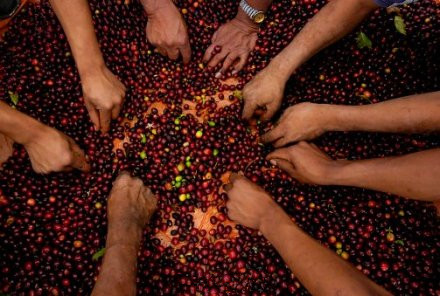
The process of turning fresh coffee fruit into raw coffee beans
The variety of coffee treated with raw beans certainly determines the natural flavor, but the treatment of raw beans determines the acquired quality. Selected coffee attaches great importance to flavor and quality, so it pays special attention to the technology and details of processing. Harvest: the harvest method is one of the criteria for judging selected coffee. if calculated from the time of germination, Arabica coffee will take about 5 years to blossom and bear fruit. Brazil

The technique of treating fresh Coffee fruits into Coffee Raw beans
The variety of coffee treated with raw beans certainly determines the natural flavor, but the treatment of raw beans determines the acquired quality. Selected coffee attaches great importance to flavor and quality, so it pays special attention to the technology and details of processing. Harvest: the harvest method is one of the criteria for judging selected coffee. if calculated from the time of germination, Arabica coffee will take about 5 years to blossom and bear fruit. Brazil

The process of turning fresh coffee fruits into raw coffee beans.
The variety of coffee treated with raw beans certainly determines the natural flavor, but the treatment of raw beans determines the acquired quality. Selected coffee attaches great importance to flavor and quality, so it pays special attention to the technology and details of processing. Harvest: the harvest method is one of the criteria for judging selected coffee. if calculated from the time of germination, Arabica coffee will take about 5 years to blossom and bear fruit. Brazil

Introduction to the treatment of raw coffee beans-tanning method
Sun treatment will first identify sunken beans in the sink, that is, ripe or half-ripe beans are spread in the drying farm for natural drying. The specific time depends on the local climatic conditions, which usually takes two to four weeks. When the moisture of the coffee bean is reduced to 12%, then use a sheller to grind off the hard pulp and silver skin. The requirement of the sun treatment on the climate is very high.

Panama Jensen Estate Coffee Gold Roast Hand Brewed, Siphon Rose Summer Brewing Method
The 2013 Panama Specialty Coffee Association (SCAP) Best Panamanian Coffee Award has a new finalist! It's Carl Jensen's Jensen Manor Geisha variety! Janson Geisha is rarely heard of in Taiwan, because this manor is mainly for domestic sales and not for export; in addition, the manor

The skill of turning fresh coffee fruits into fresh coffee beans
The variety of coffee treated with raw beans certainly determines the natural flavor, but the treatment of raw beans determines the acquired quality. Selected coffee attaches great importance to flavor and quality, so it pays special attention to the technology and details of processing. Harvest: the harvest method is one of the criteria for judging selected coffee. if calculated from the time of germination, Arabica coffee will take about 5 years to blossom and bear fruit. Brazil
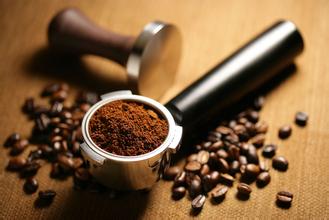
Introduction to the regional treatment method G123 for the description of the flavor of Yejia Coffee Coffee Farm
Yega Coffee Cocket Flavor description Coffee Farm production area treatment method G123 introduces that coffee trees are mostly planted in farmers' own backyards or mixed with other crops in the field, and the yield per household is small, which is a typical rural coffee. These mountain villages are foggy, like spring all year round, with a gentle breeze in summer, cool but not hot, rain but not damp, and no cold damage in winter, giving birth to the unique fragrance of oranges and flowers.

Coffee technology how to treat fresh coffee fruit into coffee raw beans
The variety of coffee treated with raw beans certainly determines the natural flavor, but the treatment of raw beans determines the acquired quality. Selected coffee attaches great importance to flavor and quality, so it pays special attention to the technology and details of processing. Harvest: the harvest method is one of the criteria for judging selected coffee. if calculated from the time of germination, Arabica coffee will take about 5 years to blossom and bear fruit. Brazil

Rainforest certified coffee "frog beans" to maintain ecological balance organic coffee
Rainforest Alliance RA (Rainforest Alliance) certification refers to a farm that meets the standards set by the Rainforest Alliance, which protects the farm and its surrounding ecosystem, imposes some restrictions on the use of pesticides, and evaluates benchmarks such as waste management. Only coffee that has been evaluated and certified can be called Rainforest Alliance certified coffee. Among them, the recognition of coffee
Huixoc Farm of Vivette Nanguo, Guatemala? how's the coffee taste of Huixoc Farm?
Professional coffee knowledge exchange more coffee bean information please follow the coffee workshop (Wechat official account cafe_style) when you think of Guatemalan coffee what Antigua comes to mind first? Is this the name of the ancient capital, the god of flowers? This is the name of a brand, and the meticulous smell of smoke is correct. This is the characteristic of Guatemalan coffee, which is mainly caused by volcanic geology.

Introduction to the characteristics of Grinding degree of Brazilian Hilado Coffee Bean Flavor description method
Brazilian coffee beans and Brazil because of flat and monotonous terrain, coffee farms are mostly less than 1000 meters above sea level, and it is customary to use the sun-exposed planting method, which is originally inconsistent with the high-altitude shade planting required by high-quality coffee beans. coincidentally, however, it has developed a unique Brazilian soft bean flavor with low acidity and heavy nutty flavor, sweet and mellow, and no obvious floral and fruity aroma. But for coffee gluttons,
Introduction to the treatment method of planting and Development History of single-product Bean Flavor in Spring Manor in Colombia
For the exchange of professional baristas, please follow the Coffee Workshop (Wechat cafe_style) Colombia Colombian population: 47073000 Colombia has well-defined growing areas and the impressive variety of coffee they produce. Whether you want round, heavy coffee, refreshing, fruity (or somewhere in between), the most

Wind of washing SL28 and SL34 in Ndimaini Farm, Karatina Village, AA, Kenya
Professional coffee knowledge exchange more coffee bean information please follow the coffee workshop (Wechat official account cafe_style) Kenya AA | Karatina village Entami (Ndimaini) farm washing SL28, SL34 flavor? Kenya is a model country for producing fine coffee beans. Coffee was introduced from Britain in 1900, and only the traditional Arabica did not have coffee trees until 1950.

Guatemala Coffee Flavor description method Variety characteristics introduction of Fine Coffee beans in Manors in producing areas
The Guatemalan Coffee Flavor Manor is planted with bourbon species, Kaddura, Pacamara, etc., with a total area of 205acres (4046.8 square meters per acre), of which 173acres are used to grow coffee. Another 32 acres of native forest is home to various local wild species. There are several natural springs on the farm, which provide for coffee plantations during the dry season
Coffee basic knowledge treats fresh fruits of coffee into fresh beans of coffee
The variety of coffee treated with raw beans certainly determines the natural flavor, but the treatment of raw beans determines the acquired quality. Selected coffee attaches great importance to flavor and quality, so it pays special attention to the technology and details of processing. Harvest: the harvest method is one of the criteria for judging selected coffee. if calculated from the time of germination, Arabica coffee will take about 5 years to blossom and bear fruit. Brazil

What are coffee bidding beans? What is the difference between bidding coffee beans and non-bidding coffee beans?
Professional coffee knowledge exchange more coffee bean information please follow the coffee workshop (Wechat official account cafe_style) generally our common competition beans are the best quality coffee in that country at that time, and will adopt the online auction method, so that buyers all over the world can bid for coffee beans in an open and transparent manner, and define these coffee beans as competition batch beans, concentrated

Carmen Estate Carmen Farm in Panama
Professional baristas exchange please follow the coffee workshop (Wechat official account cafe_style) Panama Carmen Estate Carmen Farm has established a special, exquisite trend, Panamanian Coffee! Introduce clearer, better, more diverse Panamanian beans to add to the coffee journey. These beans, whether they are honey treatment, water washing or sun drying, are all after a bumper harvest in the harvest season.

Coffee common sense how to treat fresh coffee fruit into coffee raw beans?
The variety of coffee treated with raw beans certainly determines the natural flavor, but the treatment of raw beans determines the acquired quality. Selected coffee attaches great importance to flavor and quality, so it pays special attention to the technology and details of processing. Harvest: the harvest method is one of the criteria for judging selected coffee. if calculated from the time of germination, Arabica coffee will take about 5 years to blossom and bear fruit. Brazil

The flavor and taste of Panama Rosa Coffee Manor introduces the Emerald Manor.
The species of Geisha was discovered in the Rose Summer Forest of Ethiopia in 1931 and sent to the Coffee Institute in Kenya; it was introduced to Uganda and Tanzania in 1936, in Costa Rica in 1953, and Panama was introduced in the 1970s by Francesca of Dongba Seven Farm Garden. Mr. Serraxin got seeds from CATIE, Costa Rica, and started growing Rosa Coffee.